


An investor recently asked me a direct question: “What returns can you guarantee?”
I understand the question. In a volatile market, people want certainty. They want a sponsor to look them in the eye and say, “Your money is safe, and you will make 15% no matter what.” Most sponsors will give you a soft “yes” just to get the check.
The Reality: I don’t make promises. I show data.
In professional investing, a “guarantee” is usually marketing—or worse, a sign of desperation. A track record is evidence. I prefer to operate on evidence.
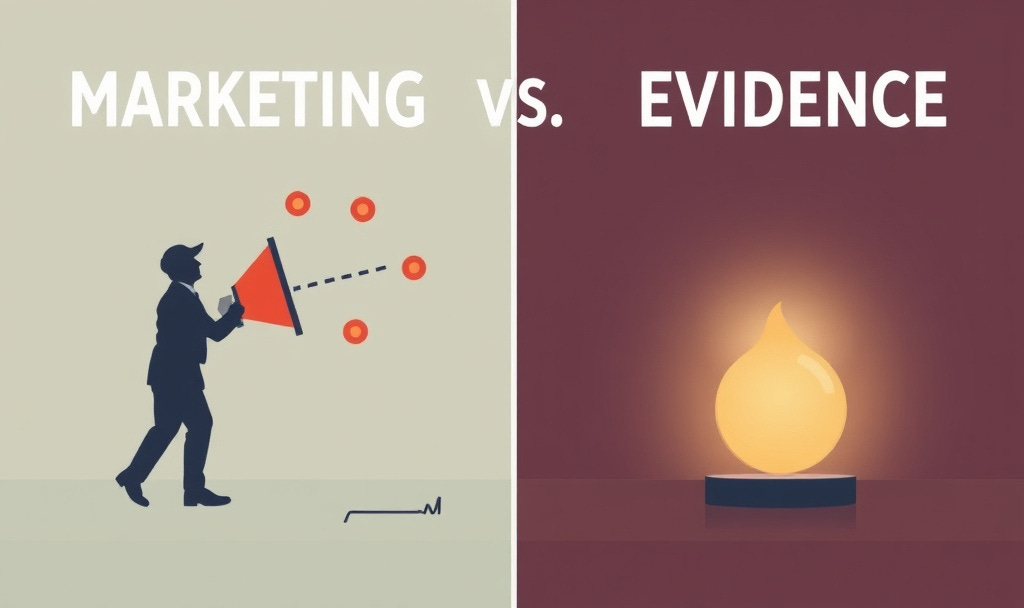
1. The Logbook (Stats)
Instead of telling you what might happen in our lending portfolio, here is what did happen:
11 Private loans funded.
$2.3M Capital deployed.
0 Losses.
50.3% Average annualized return.
The Lesson: This isn’t a forecast. It is a historical fact. Any sponsor can promise you high returns. Very few can show you 15 completed cycles with zero capital loss.
🏠 Interested in starting or growing your real estate portfolio? Join a community of changemakers investing to build wealth and create impact.
2. The Engineering of Safety
How do you achieve those numbers without making reckless promises? You stick to the physics of finance. We didn’t get lucky. We structured safety into the deal:
First Lien Position: We act like the bank. If things go wrong, we own the asset.
Low LTV (Loan to Value): We never lend 100% of the value. We leave a massive equity buffer.
Short Duration: We don’t lock money up for 10 years on risky bets. We favor velocity.
3. Engineering vs. Gambling
Real estate has variables I cannot control. Markets shift. Tenants leave. Supply chains break. If I promise you a fixed outcome in a variable world, I am lying to you.
Instead, I focus entirely on the variables I can control:
The Filter: I reject 95% of the deals that cross my desk.
The Underwriting: I assume things will go wrong, not right.
The Communication: I tell the truth, even when it’s boring.
The Bottom Line: I would rather under-promise and over-deliver than make commitments I can’t keep. Most investors underwrite the spreadsheet. I underwrite the building—and my own track record.
Cheers,
Jon