

Most multifamily operators believe their customer is the investor.
They run every decision through a single filter: “How does this affect returns?”
So they defer the repair. Choose the cheapest vendor. Pass through the cost.
The Reality: Your customer is your resident. And when you forget that, your spreadsheet math stops working in the real world.
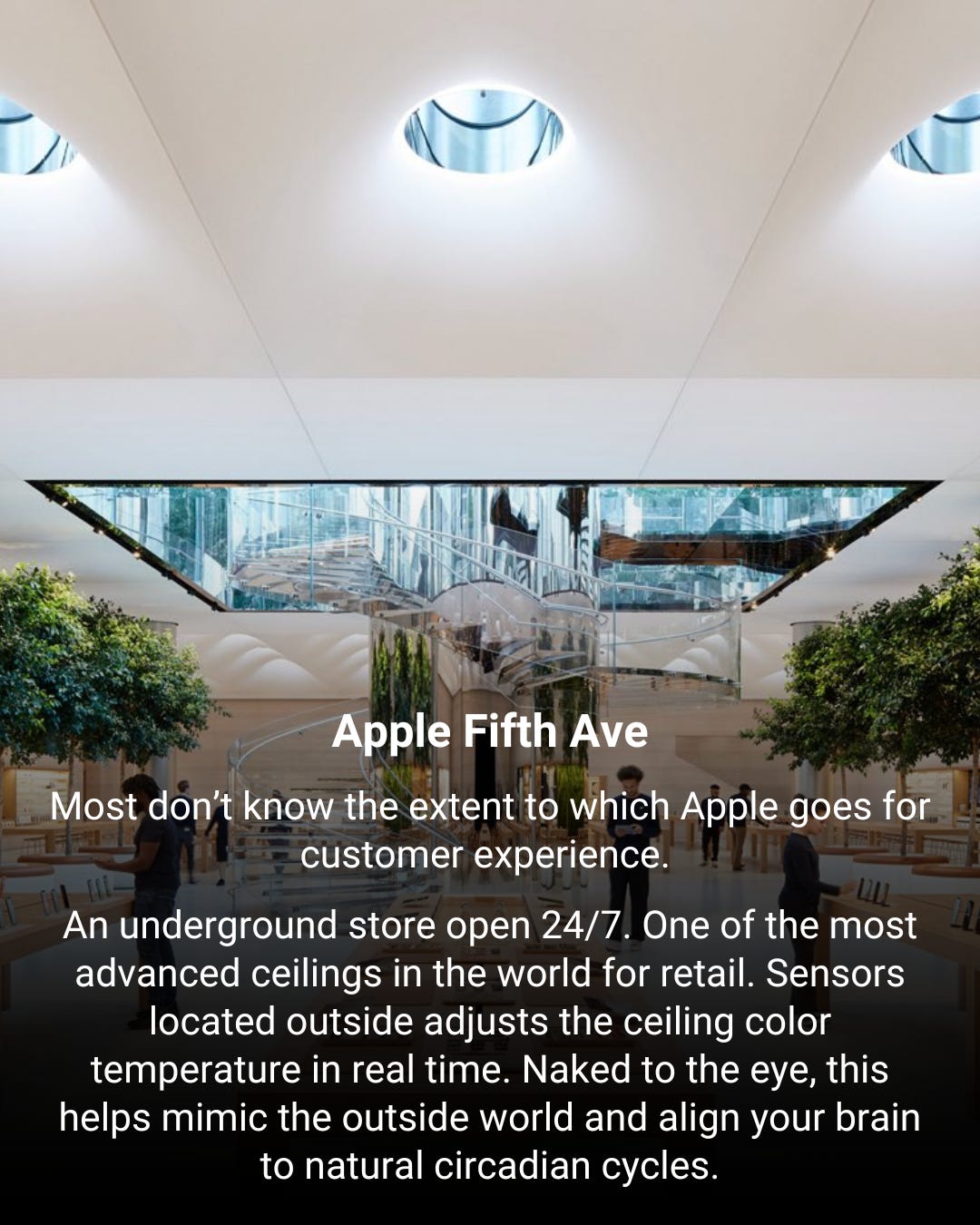
I spent a decade engineering Apple’s flagship retail stores—designing some of the most complex buildings on the planet. And one question governed almost every decision we made:
“How does this improve the customer experience?”
Not margin first. Not speed first. Not capex first. Experience first.
That single question shaped everything: layout, lighting, materials, staffing, even how failures were handled.
Here’s why this matters for your portfolio.
1. The False Economy Trap
Operators cut costs to boost NOI. On paper, it looks smart:
Defer the HVAC repair—save $8,000.
Choose the cheaper flooring—save $3,000 per unit.
Skip the landscaping refresh—save $5,000.
But here’s what the spreadsheet doesn’t show: Maintenance issues are the #1 reason residents move. Every deferred fix eventually shows up as a vacancy. Every “savings” compounds into turnover, make-ready costs, and months of lost rent.
The Lesson: You’re not optimizing for efficiency. You’re optimizing for instability.
🏠 Interested in starting or growing your real estate portfolio? Join a community of changemakers investing to build wealth and create impact.
2. Experience Is an Operating System
Apple understood something most investors miss: experience compounds.
When residents want to stay, systems perform better. Renewal rates climb. Make-ready costs drop. Rent growth stabilizes. NOI strengthens—not from squeezing harder, but from building something people don’t want to leave.
Poor experience doesn’t just hurt “soft metrics.” It shows up directly in your financials:
Higher turnover = higher operating costs
Deferred maintenance = deferred risk
Cheap decisions = expensive consequences
The Lesson: Resident experience isn’t a feel-good metric. It’s the engine that drives long-term value.
3. The Question That Changes Everything
Before your next investment decision—whether it’s a repair, a renovation, or a vendor choice—ask one question:
“How does this decision affect the resident experience?”
Not “What’s the cheapest option?” Not “Can we push this to next quarter?”
The best-performing properties don’t just look good on paper. They work in real life. They hold value through cycles because people want to stay.
The Lesson: Optimize for short-term savings, and you’ll wonder why your asset underperforms. Optimize for long-term experience, and the numbers take care of themselves.
The Bottom Line
Real estate isn’t just buildings and numbers. It’s how decisions feel to the people living inside them.
The operators who win don’t chase the cheapest path. They build systems worth staying in.
Apple built a trillion-dollar company by asking one question before every decision. The best real estate operators do the same.
Cheers,
Jon
P.S. If you’re evaluating an investment and want to understand how we assess operational quality beyond the spreadsheet, let’s walk through it together.