


Most investors begin their due diligence by studying rent rolls, comps, and pro formas.
The Reality: Numbers can be manipulated. Photos can be edited. Even management narratives can hide risks. But the building itself never lies.
After spending a decade as Apple’s go-to building engineer—designing and fixing some of the most complex stores on the planet—I learned a truth that carries directly into real estate investing: Physics doesn’t negotiate.
If you don’t understand what the structure is telling you, you aren’t underwriting a deal. You are guessing. And guessing is where investors lose money.
Why It Matters: The biggest failures I have seen didn’t come from mismanagement. They came from missed engineering issues that quietly compounded until they became seven-figure problems.
That is why I use the same two checks on every property we analyze—whether it’s a $1M duplex or a $50M apartment community.
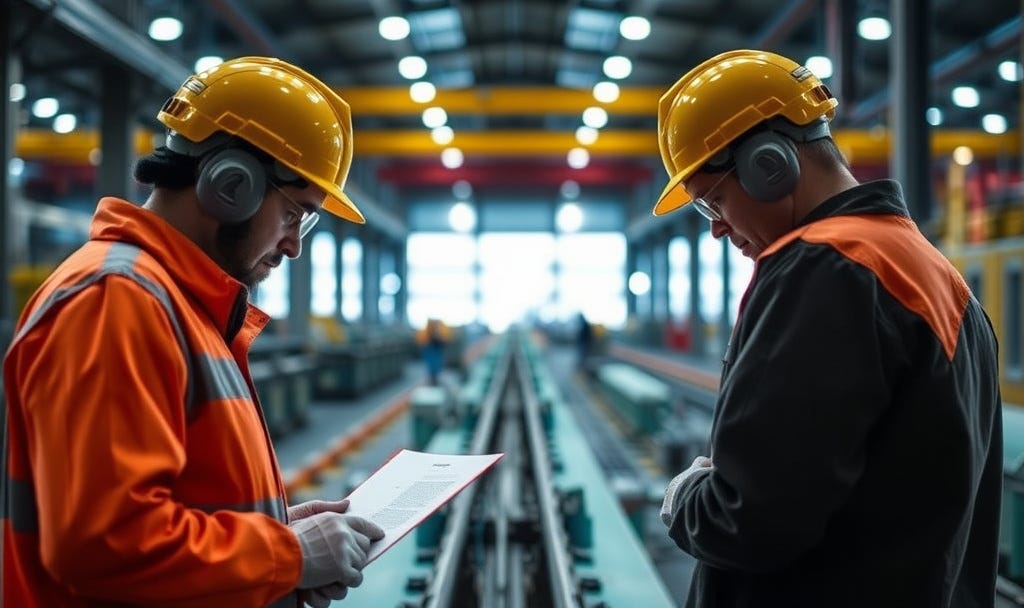
1. Structural Integrity: The Building’s True Clock Most investors walk a property to inspect finishes. I walk it to inspect its lifespan.
What to look for: Cracks along a foundation. Settlement marks in walls. A slight dip in framing.
The Risk: These indicators are subtle, but they reveal an asset’s future. A structure under stress today becomes a capital expenditure nightmare tomorrow. It disrupts operations, limits financing options, and spikes insurance premiums.
The Lesson: When we evaluate a building, we don’t ask, “Is it fine today?” We ask, “Will this structure support our business plan ten years from now?” The wrong answer can erase years of projected returns in a single repair cycle.
🏠 Interested in starting or growing your real estate portfolio? Join a community of changemakers investing to build wealth and create impact.
2. Water Management: The Silent Killer Water doesn’t care about your underwriting or your investor deck. If a property has poor water management, you will pay for it—every year.
Image of home foundation water damage infographic
The Signs: Bad grading, clogged gutters, improper drainage, and roofline issues.
The Cost: Water intrusion leads to mold, rot, soil erosion, and foundation cracks. Unlike cosmetic issues, water problems escalate the longer they go unnoticed.
The Lesson: I’ve seen investors lose millions in CapEx not because they ran the property poorly, but because they underestimated what water could do over time. Good due diligence means inspecting drainage and soil with the same seriousness you inspect the financials.
The Bottom Line
Real estate investing is math plus mechanics. If you understand the mechanics, the math works beautifully. If you ignore the mechanics, the math becomes fiction.
Good operators look for the risks that don’t show up in spreadsheets. They know that deferred maintenance is really deferred risk.
Next Step
Returns are seen, but impact is felt. If you want to see how we evaluate the physical risks of a property before investing, let’s walk through a live example together.
Cheers,
Jon