


Every investor I meet can read a pro forma.
Cap rates. NOI projections. Rent comps. Debt service coverage ratios. They can model a deal in their sleep. They can tell you the IRR to two decimal places before they’ve seen a single photo of the property.
But almost none of them visit the building.
They don’t check the roof. They don’t test the HVAC. They don’t look at the foundation. They read the inspection report, check the box, and wire the money. Because the spreadsheet said the deal works.
I used to trust spreadsheets too. Then I started walking properties.
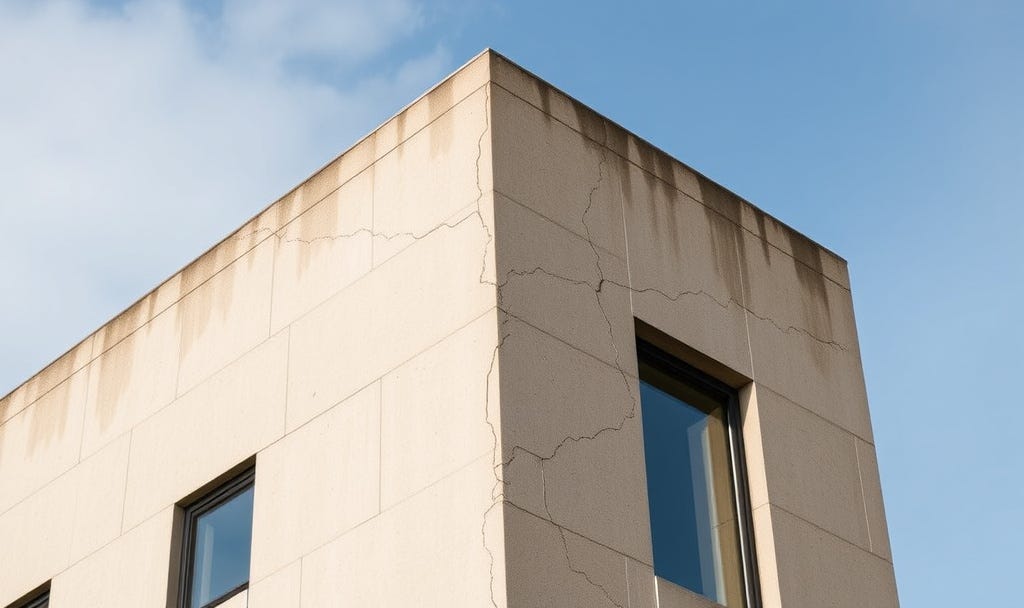
The Reality: The spreadsheet tells you what someone wants the building to be worth. The building tells you what it’s actually worth. And those are rarely the same number.
But here’s what most investors don’t realize. It’s not that the spreadsheet is wrong. The math might be perfect. Every formula accurate. Every assumption sourced. The problem is what the spreadsheet can’t see. And the things it can’t see are the things that destroy returns.
I’ve walked properties that looked flawless on paper. Eight percent cap rate. Strong rent growth. “Stabilized” stamped across the cover page. The kind of deal that gets funded in a week.
Then I opened my eyes.
$200,000 in deferred maintenance hidden behind fresh paint. Baseboards bubbling in first-floor units. Ceiling stains on the top floor covered over, not fixed. Someone spent money making problems invisible instead of making them go away.
An HVAC system three years past its useful life. Still running. Still cooling. But every month closer to a failure that would cost five figures per unit to replace. The pro forma didn’t budget for it. The seller didn’t mention it. The nameplate date told the whole story if anyone had bothered to look.
Foundation cracks the inspector “didn’t notice.” Settlement marks along the walls. A slight dip in the framing that you feel before you see. That’s not cosmetic. That’s structural. That’s the kind of problem that turns a capital improvement plan into a capital emergency.
🏠 Interested in starting or growing your real estate portfolio? Join a community of changemakers investing to build wealth and create impact.
None of this was in the spreadsheet. All of it was in the building. Waiting for whoever bought it to discover the difference between projected returns and reality.
For nine years at Apple, I learned to read buildings. Not finishes. Not aesthetics. Systems. Structure. The mechanics that determine whether an asset holds value or quietly falls apart. I engineered stores across twenty countries. Fixed problems that looked minor on paper but would have cost millions if they’d been ignored. Learned that physics doesn’t negotiate, no matter what the budget says.
Now I use that skill to protect capital. Mine and my investors’.
Most sponsors underwrite what they want to see. A clean model. A confident projection. Numbers that make the deal close. I underwrite what’s actually there. The roof membrane. The mechanical room. The foundation perimeter. The age of every major system. Because that’s where value lives or dies. Not in the formula. In the building.
The spreadsheet is a tool. The building is the truth. And when those two disagree, the building wins every time.
The Bottom Line: A pro forma is an opinion. The building is a fact. Most investors underwrite opinions and hope the facts cooperate. You’re learning to underwrite the facts first and let the opinion prove itself. That’s the difference between investing in a story and investing in a structure.
When was the last time you physically walked a property before investing?
If you want to see how an engineering-first approach changes what due diligence looks like, I’m happy to walk you through our process.
Cheers,
Jon
P.S. Fresh paint is the most expensive thing in real estate. Not because of what it costs. Because of what it hides.