


Real estate investors love to talk about timing the market. Buy low, sell high. Ride the cycle. Wait for the perfect moment. But what if the best returns don’t come from timing at all? What if they come from something far more reliable: disciplined execution.
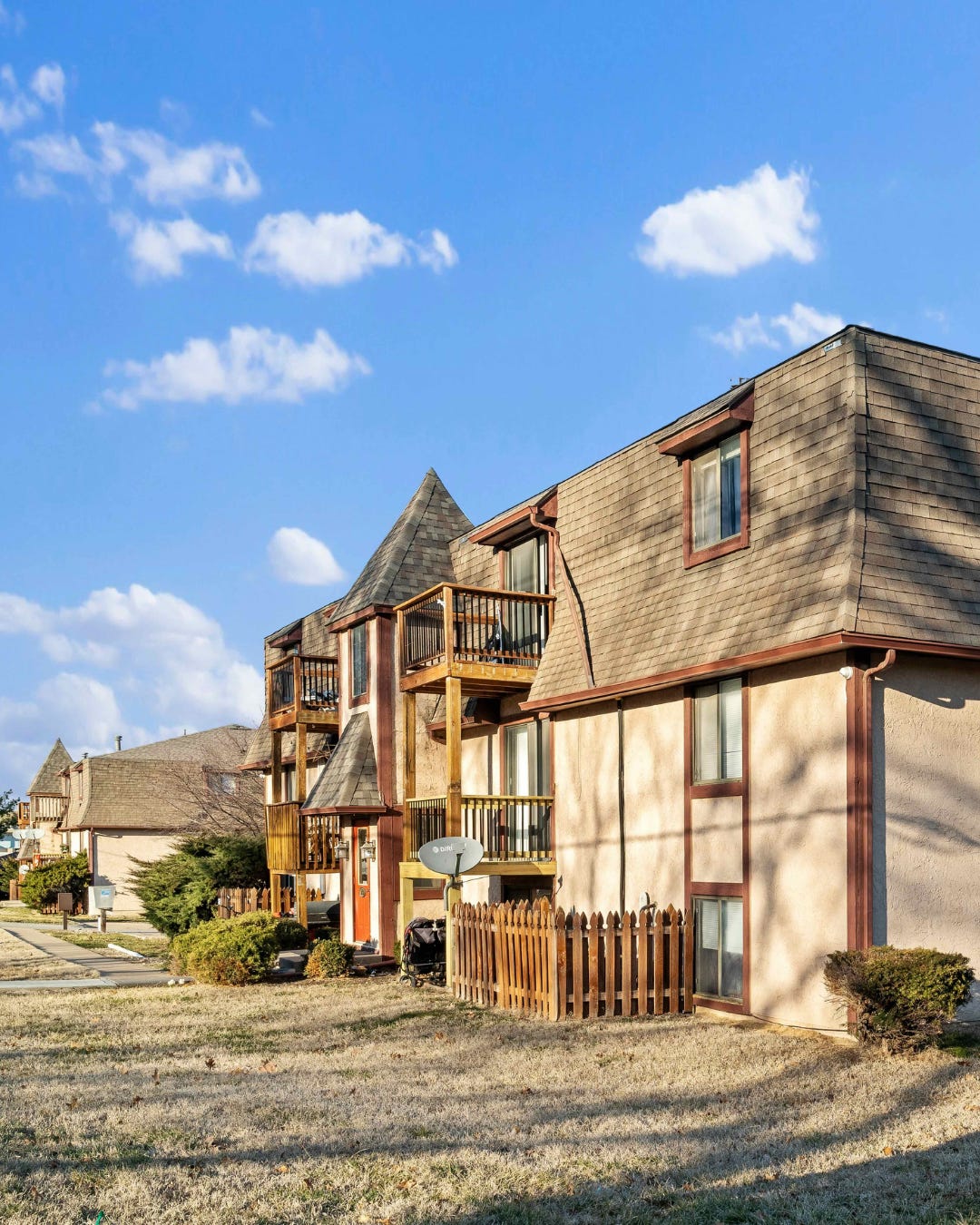
That’s exactly what happened at Riverfront Apartments, a 72-unit Kansas property that most people would have scrolled past. Nothing flashy. Outdated interiors. Weak management.
On the surface, it looked like another Class C building with a long list of problems and a laundry list of excuses. But underneath, there was buried potential the market wasn’t recognizing.
Fifteen months later, the property had been refinanced. Cash flow was stable. And investors received 57 percent of their original capital back, years earlier than expected. This wasn’t luck. This wasn’t speculation. It was systematic value creation — the kind that doesn’t depend on market swings or perfect timing.
Seeing Value Where Others See Problems
When we first evaluated the property, we noticed something most operators overlook. The physical assets weren’t the issue. The management was. Units that hadn’t been upgraded in more than a decade were still occupied. Leases were month-to-month with no structure or predictability. And rents lagged far behind the true market rate.
Most investors assume problems like these require a complete overhaul or massive capex budget. But often, the bigger opportunity sits in the fundamentals: unit condition, lease quality, tenant stability, and operational consistency. These aren’t glamorous levers, but they are powerful ones.
Our team underwrote the deal based on what the property could produce, not what it was currently producing. That’s the difference between buying a problem and buying potential. When you approach an asset through systems instead of spreadsheets, you see value hiding in plain sight.
The Strategy That Turned the Asset Around
Our plan was simple and disciplined. First, we bought the property below market value, giving us a margin of safety from day one. Next, we upgraded units that hadn’t been touched in years, improving both tenant experience and rental performance. And finally, we transitioned residents from unstable month-to-month leases to structured annual agreements, giving the asset the stability it lacked.
These steps were not complicated. They were consistent. Over time, consistency compounds. Rental income stabilized. Turnover declined. The building regained predictability — the foundation of every healthy asset.
With performance strengthening month after month, the property was positioned for a refinance far earlier than most would attempt. The long-term value was now visible. The equity was now real. And the operation produced results that no market forecast could have delivered.
🏠 Interested in starting or growing your real estate portfolio? Join a community of changemakers investing to build wealth and create impact.
The Outcome: Returns Driven by Operations, Not Timing
Fifteen months after acquisition, we executed the refinance. Investors received 57 percent of their capital back. Cash flow remained strong. And the property entered a new phase of performance with far less investor capital tied up in the deal.
This is the kind of return profile that engineers — not speculators — create. It didn’t depend on waiting for interest rates to drop or hoping cap rates compress. It didn’t rely on perfectly timing the market. It came from managing the asset with intention and precision.
When you engineer value instead of waiting for it, you create returns that cycles can’t undo. You reduce risk at the same time you increase yield. And you reinforce what we believe at Blue Eyed Capital: the best investments are built, not found.
Final Thoughts
There will always be people trying to guess where the market will be in three years. Some will be right. Most will be wrong. But disciplined operators don’t rely on predictions. They rely on process.
Riverfront Apartments wasn’t a lucky break. It was a blueprint. Buy well. Operate well. Improve what matters. And let the numbers tell the story.
The best returns don’t come from chasing appreciation. They come from creating it.
Cheers,
Jon
P.S. Want to see more case studies of how we engineer returns in real assets? Let’s walk through what disciplined execution can do for your portfolio.