


The buildings nobody wants are the ones nobody leaves.
Affordable housing carries a reputation. Low margins. Difficult operations. Not worth the complexity. Most investors hear “affordable” and move on to the next deal. They want the Class A. The new construction. The asset that photographs well in an investor deck.
I used to hear the same things. Then I started looking at the operating data.
And the operating data tells a completely different story.
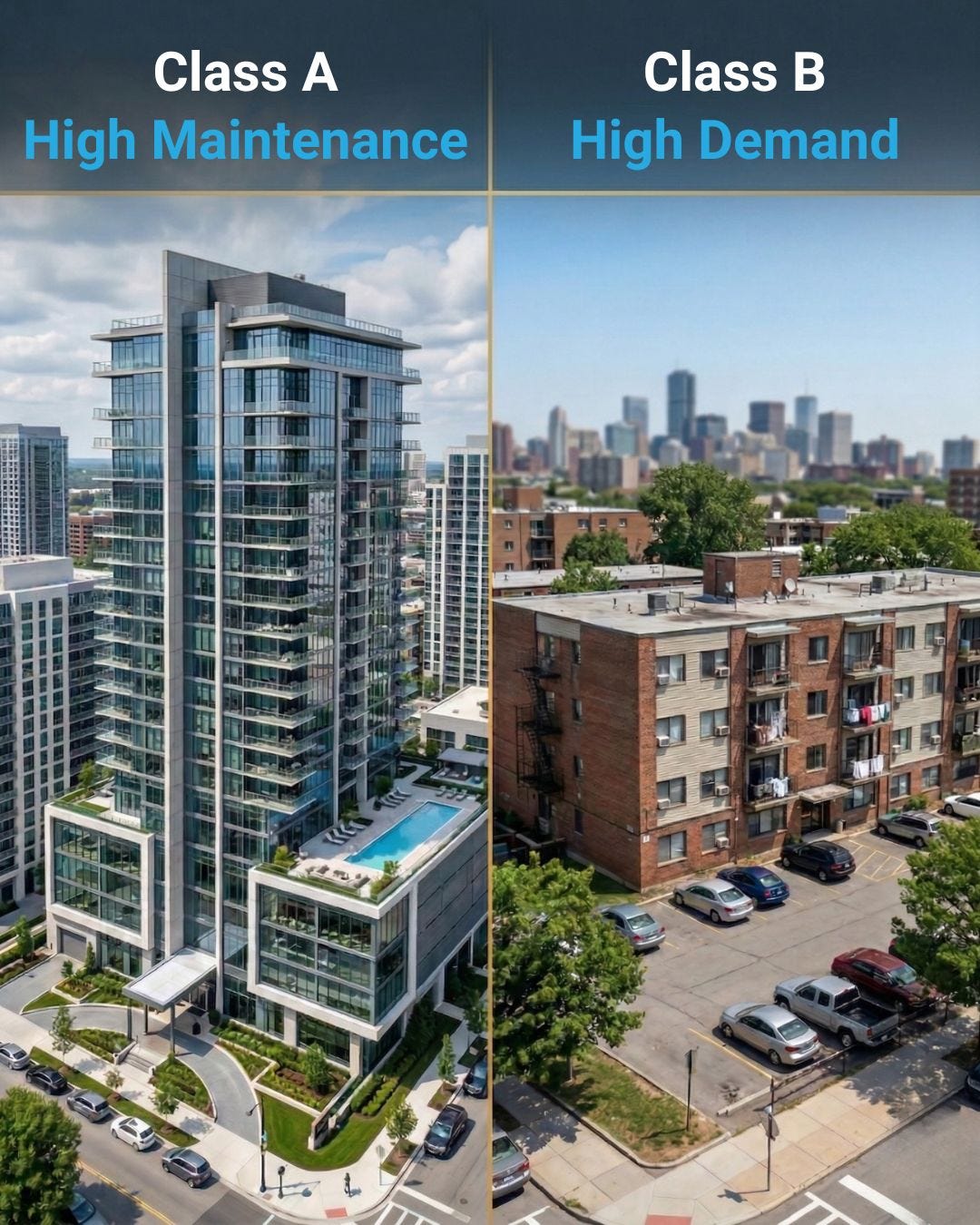
The Reality: The buildings most investors dismiss as too complex are quietly producing some of the most predictable cash in the entire sector.
But here’s what most investors miss. It’s not just that affordable housing works. It’s why it works. And the why is the thing that changes how you think about every asset class.
Residents in affordable housing don’t have 12 other options. They’re not apartment shopping because a better deal opened up across town. They’re not chasing concessions at the new luxury build down the street. They’ve found stable housing. And they’re not leaving unless they have to.
That’s not a sentimental observation. That’s the most important operating metric in real estate.
Turnover is where apartments lose money. Every time a resident leaves, the clock starts. Vacant months with no income. Cleaning and repairs between tenants. Leasing fees. Marketing costs. The gap between one resident leaving and the next one paying. Stack those costs across a 50-unit building and turnover becomes the single largest drag on NOI that never shows up as a line item.
Affordable housing has some of the lowest turnover rates in the sector. Not because residents can’t afford to move. Because they’ve found something that’s hard to find — a stable home. And they take care of it. Because it matters to them.
🏠 Interested in starting or growing your real estate portfolio? Join a community of changemakers investing to build wealth and create impact.
That stability creates something most luxury developments can’t replicate no matter how much they spend on amenities. Predictable income. No concessions to fill units. No rent reductions to compete with the new Class A across the street. No occupancy swings tied to the latest tech layoffs or job market fluctuations.
When I underwrote my first affordable housing deal, the turnover rate was roughly half of what I’d seen in market-rate properties. Half the turnover means half the vacancy loss, half the make-ready costs, and double the confidence in the income projections. The pro forma wasn’t built on assumptions. It was built on residents who stay.
Most investors chase upside. Higher rents. Bigger appreciation. The deal that looks best on a slide. But upside is a projection. Stability is an operating reality. And operating reality is what pays your investors when the market gets complicated.
The buildings nobody wants are often the most predictable cash producers in the market. The residents who live in them aren’t a cost center. They’re the engine. When residents thrive, they stay. When they stay, income stabilizes. When income stabilizes, returns follow.
That’s not a charity principle. It’s the oldest truth in real estate operations.
The Bottom Line: Stable residents are a feature, not a footnote. The assets everyone overlooks are the ones quietly producing the most reliable income in the market. Most investors optimize for upside. You’re learning to optimize for stability. That’s the difference between a portfolio that performs in a pitch deck and one that performs in a downturn.
What would change about your investing approach if stability mattered more than upside?
If you want to see how we underwrite affordable housing and why the numbers tell a different story than the reputation, I’m happy to walk you through a real deal.
Cheers,
Jon
P.S. The best-looking buildings in the market aren’t always the best-performing ones. Sometimes the best investment is the one nobody else wanted.