

Three HVAC units failed on me in the same summer.
It was one of my early deals. The pro forma said “stable operations.” The seller’s disclosure said “all systems functional.” I took the numbers at face value and wired the deposit.
Six months after closing, the first rooftop unit died. Then a second. Then a third. $42,000 in emergency replacements. Peak summer. Residents furious.
The pro forma didn’t mention that those units were 25 years old.
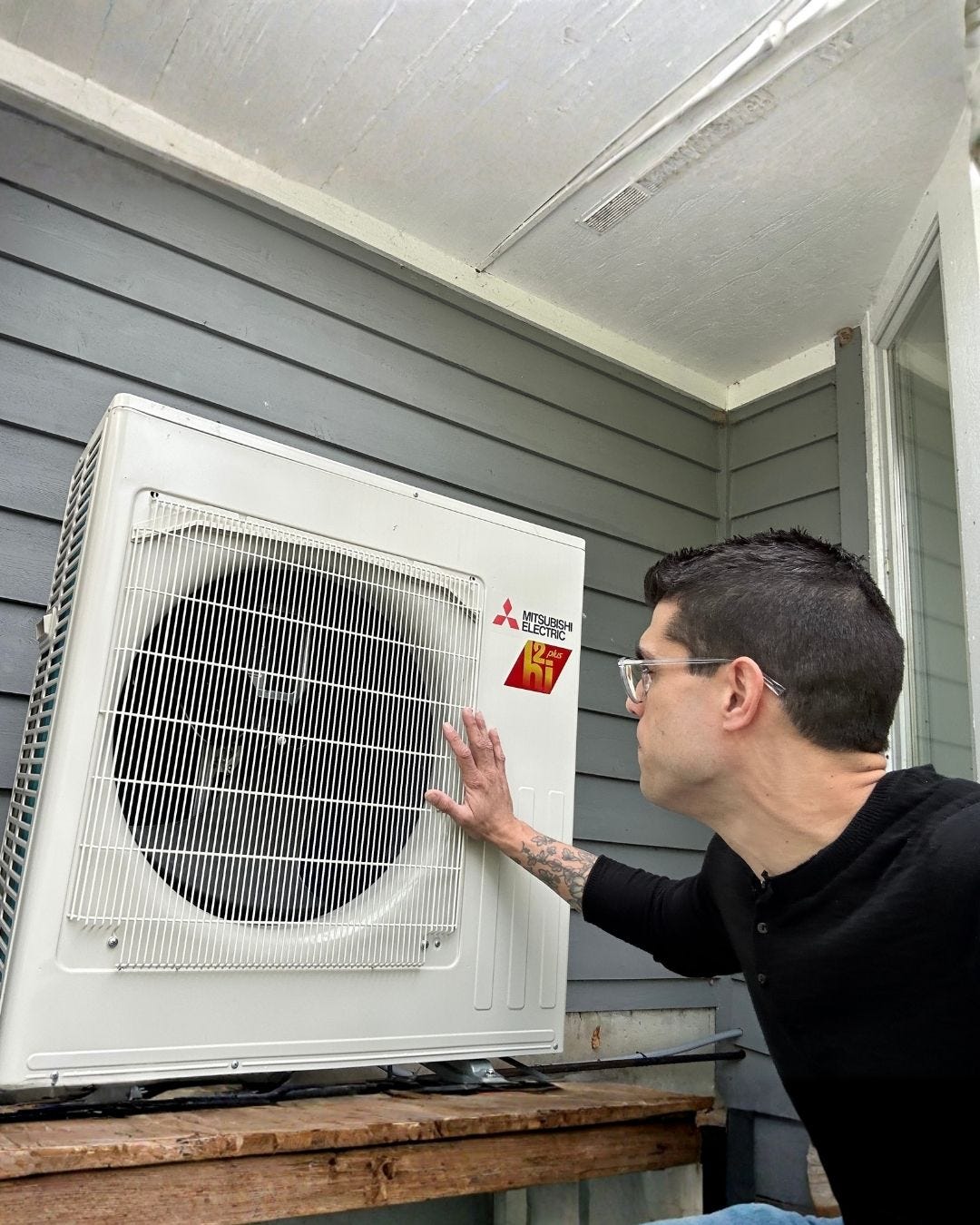
The Reality: A working HVAC system and a healthy HVAC system are two very different things. One cools the building today. The other tells you whether you’ll have $250,000 in surprise capex tomorrow.
But here’s what most investors miss. The age of the equipment isn’t the only risk. It’s what the age implies about everything else.
That summer changed how I walk every building. Now I check five things before I ever open a spreadsheet.
Nameplate dates come first. Every unit has a manufacture date stamped right on it. Fifteen years or older means you’re budgeting for replacement, period. That’s not pessimism. That’s math.
Refrigerant type comes next. R-22 was phased out. If the system still runs on it, you’re not looking at a repair. You’re looking at a full conversion or replacement. There’s no middle ground.
Maintenance records tell you more than the equipment itself. Annual servicing extends an HVAC system’s life by five or more years. No records? Assume the worst. No records means shortened lifespan and failures you can’t predict.
Then I check the ductwork. Leaky ducts waste energy, spike utility bills, and generate resident complaints. That’s three problems from one system most people never look at.
🏠 Interested in starting or growing your real estate portfolio? Join a community of changemakers investing to build wealth and create impact.
Finally, insulation. Missing or deteriorating insulation leads to condensation. Condensation leads to wall damage. Wall damage leads to mold. And mold is a health and safety problem that doesn’t negotiate timelines.
None of this shows up in the pro forma. But it’s all sitting on the roof, waiting to show up in your operating budget.
HVAC systems have a 15-to-20-year lifespan. Replacement runs $5,000 to $15,000 per unit. A 50-unit building with aging HVAC? That’s $250,000 to $750,000 in deferred capex hiding behind “projected NOI.”
That deal cost me $42,000 and a summer I’d rather forget. But it gave me a system I use on every property since. The buildings that burned me early are the reason our investors don’t get burned now.
The Bottom Line: The mechanical systems tell you more about a deal than the spreadsheet ever will. Most investors underwrite numbers. You’re learning to underwrite equipment. That’s the difference between buying a building and buying a problem.
When’s the last time you checked a nameplate date before a rent roll?
If you want to see the full HVAC checklist we use during due diligence, I’m happy to share it.
Cheers,
Jon
P.S. The best-looking pro forma in the world can’t cool a building when the rooftop units quit in July.