


Water damage cost me a deal once.
It was a 32-unit building. Numbers looked perfect. Pro forma was clean. I almost wired the deposit.
Then I walked the property.
Baseboards in the first-floor units were bubbling. Ceiling stains on the top floor had been painted over, not fixed. The foundation perimeter sloped toward the building instead of away from it.
Three signs. One conclusion: this building had chronic water intrusion. And nobody was fixing the source.
I walked away.
Six months later, I heard what happened. The new buyer discovered mold in 14 units. $180,000 remediation. Insurance claim denied.
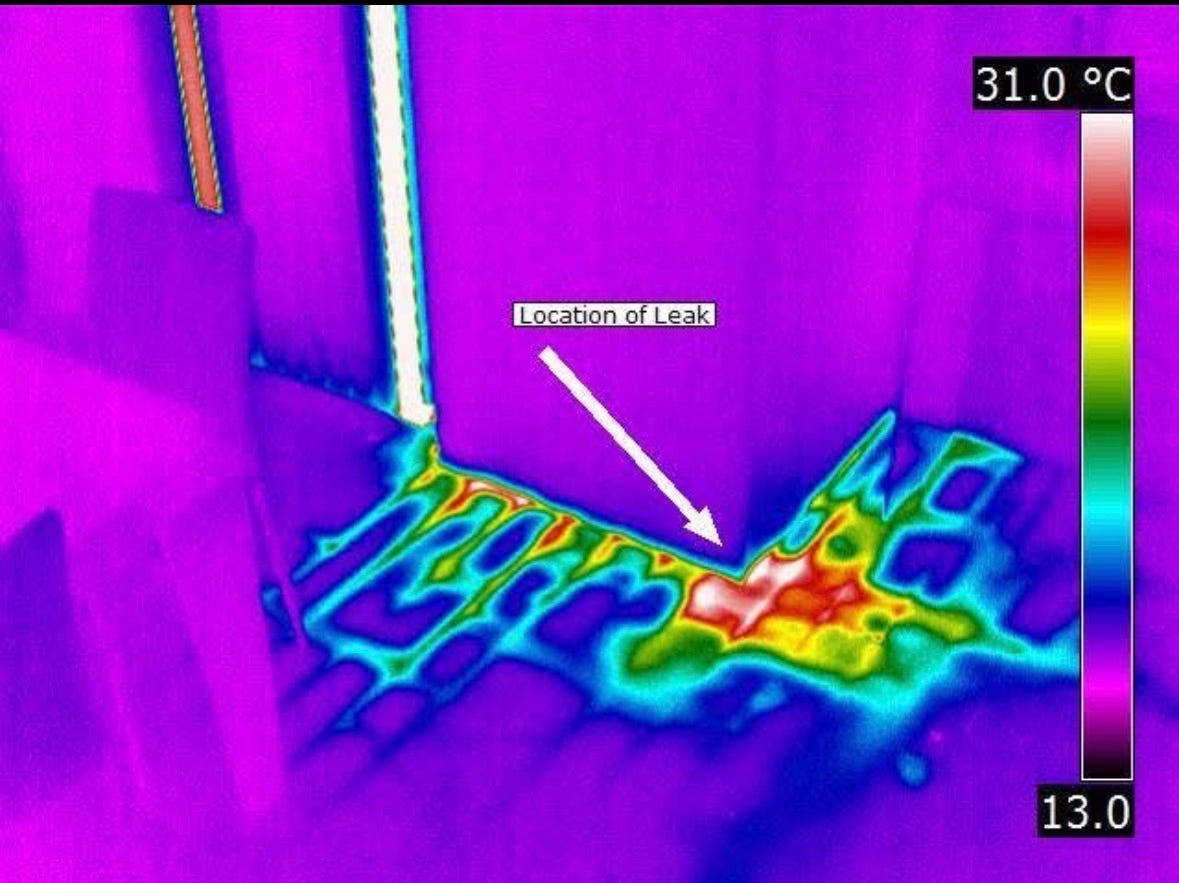
The Reality: Water doesn’t announce itself. It whispers. And if you’re not listening, you’ll pay six figures to learn the lesson.
But here’s what most investors miss: finding water damage isn’t the hard part. The hard part is knowing where to look in the first place.
That deal taught me everything. Now I check five spots on every building. Takes 30 minutes. Can save $100,000.
Baseboards in bathrooms and kitchens—bubbling means moisture intrusion someone’s been hiding.
Ceiling stains in top-floor units—painted over means recurring roof issues they’re not fixing.
HVAC condensate lines—clogged means overflow, overflow means mold, mold means lawsuits.
Foundation perimeter outside—sloping inward means every rainstorm pushes water toward your investment.
Utility room floors—rust rings on concrete tell you how often equipment fails.
None of this shows up in the pro forma. But it’s there.
🏠 Interested in starting or growing your real estate portfolio? Join a community of changemakers investing to build wealth and create impact.
Even with all this, you can’t catch everything. Buildings age. Systems fail. Weather happens. But the difference between a disciplined investor and a hopeful one is whether you looked in the first place.
The Bottom Line: The building always tells you the truth—if you take 30 minutes to listen. Most investors trust paperwork. You’re learning to trust the walls. That’s the difference between reacting to problems and seeing them coming.
When’s the last time you walked a building looking for water?
If you want to see how we evaluate properties before writing a check, I’m happy to walk you through our process.
Cheers,
Jon
P.S. The best-looking deals on paper sometimes hide the worst damage behind fresh paint.